Opening Hours
9 am to 7 pm Sunday 9 am to 1 pm

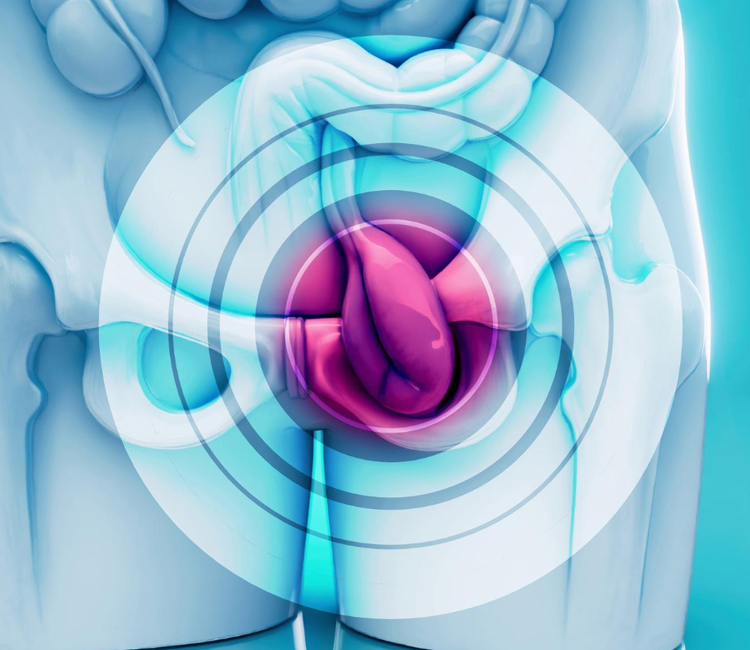
The term “uterine cyst” is commonly used by patients, but medically it is not a single specific diagnosis. Cysts can occur on the cervix, within the uterine wall, or near the uterus, and they vary widely in significance. Most are benign (non-cancerous) and many do not require treatment.
The exact type of cyst is usually identified with a pelvic examination and imaging, such as ultrasound.
Nabothian cysts are the most common cysts associated with the uterus, although they actually develop on the cervix (the lower part of the uterus).
They occur when mucus-producing glands in the cervix become blocked.
Most women have no symptoms.
Occasionally:
Usually no treatment is needed unless the cyst is unusually large or causing symptoms.
Sometimes a uterine fibroid undergoes degeneration and develops fluid-filled areas, giving it a cyst-like appearance.
Symptoms may include:
Treatment depends on the size of the fibroid, symptoms, age, and fertility goals.
These are uncommon cystic spaces that may occur in women with adenomyosis, where tissue similar to the uterine lining grows into the muscular wall of the uterus.
Some women are born with small cystic abnormalities due to developmental changes in the reproductive tract.
These are uncommon and are often discovered incidentally.
Women who have had procedures involving the uterus or cervix may occasionally develop small benign inclusion cysts during healing.
Possible contributing factors include:
Many uterine-related cysts cause no symptoms.
If symptoms occur, they may include:
Copyrights © 2026 Kovai Health Center. All Rights Reserved. Designed by  mangoe.in