Opening Hours
9 am to 7 pm Sunday 9 am to 1 pm

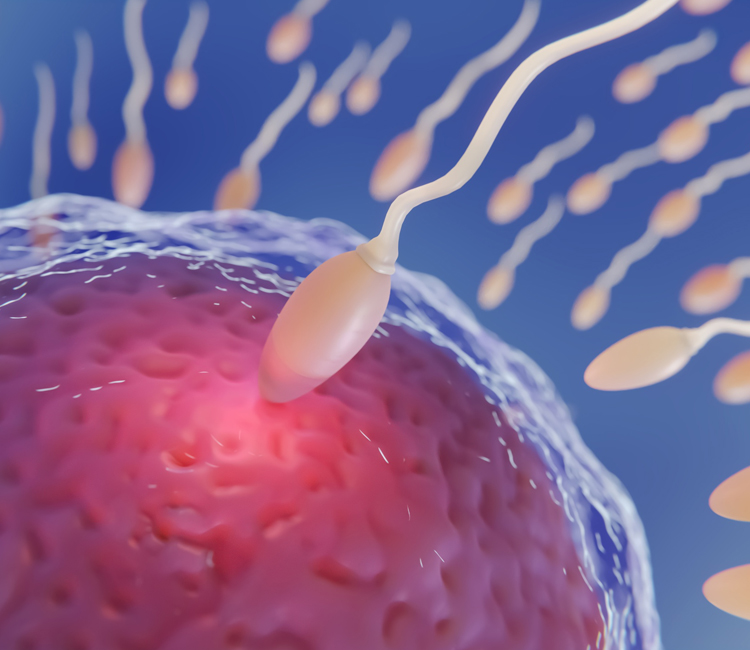
Low sperm count, medically known as Oligospermia, is a condition in which the number of sperm present in the semen is lower than normal, reducing the chances of natural conception. According to the World Health Organization (WHO), a normal sperm concentration is generally 15 million sperm or more per milliliter of semen. A low sperm count can make it more difficult for sperm to reach and fertilize an egg, although many men with this condition can still achieve pregnancy with appropriate diagnosis and treatment. In addition to sperm quantity, fertility also depends on sperm motility (movement), morphology (shape), and overall reproductive health. Early evaluation and lifestyle modifications can significantly improve fertility outcomes in many cases.
Low sperm count may develop due to a variety of causes, including varicocele, hormonal imbalances, infections, unhealthy lifestyle habits, excessive heat exposure, chronic medical conditions, genetic disorders, or certain medications and treatments. Many men experience no obvious symptoms until they face difficulty conceiving, while others may notice reduced sexual desire, erectile difficulties, or changes related to hormonal imbalance. A detailed medical evaluation, semen analysis, and appropriate treatment can help identify the underlying cause and improve the chances of successful conception.
For natural pregnancy to occur, an adequate number of healthy sperm must be produced and successfully reach the egg for fertilization. Healthy fertility depends not only on the number of sperm but also on their ability to move efficiently (motility), maintain a normal shape (morphology), and survive long enough to fertilize the egg. A reduced sperm count decreases the likelihood of successful fertilization and may contribute to male infertility.
Low sperm count can result from several medical, hormonal, environmental, and lifestyle factors. Identifying the underlying cause is essential for choosing the most effective treatment and improving fertility.
Varicocele is an enlargement of the veins surrounding the testicles. It increases the temperature of the testicles and interferes with normal sperm production and quality.
Symptoms include:Hormones play a vital role in sperm production. Low levels of the following hormones can significantly reduce sperm production:
Certain infections may damage the testes or reproductive tract and reduce sperm production.
Unhealthy lifestyle habits can negatively affect sperm production and overall reproductive health.
Continuous exposure to excessive heat can temporarily reduce sperm production by increasing the temperature around the testicles.
Several chronic illnesses may interfere with normal sperm production.
Certain inherited genetic disorders can impair sperm production or block sperm transport.
Some medications and medical treatments may reduce sperm production or damage the testes.
Many men with low sperm count do not experience noticeable symptoms until they have difficulty conceiving. When symptoms occur, they are often related to the underlying cause, such as hormonal imbalance or reproductive disorders. Early medical evaluation is recommended for men who have been unable to achieve pregnancy after one year of regular unprotected intercourse.
Copyrights © 2026 Kovai Health Center. All Rights Reserved. Designed by  mangoe.in