Opening Hours
9 am to 7 pm Sunday 9 am to 1 pm

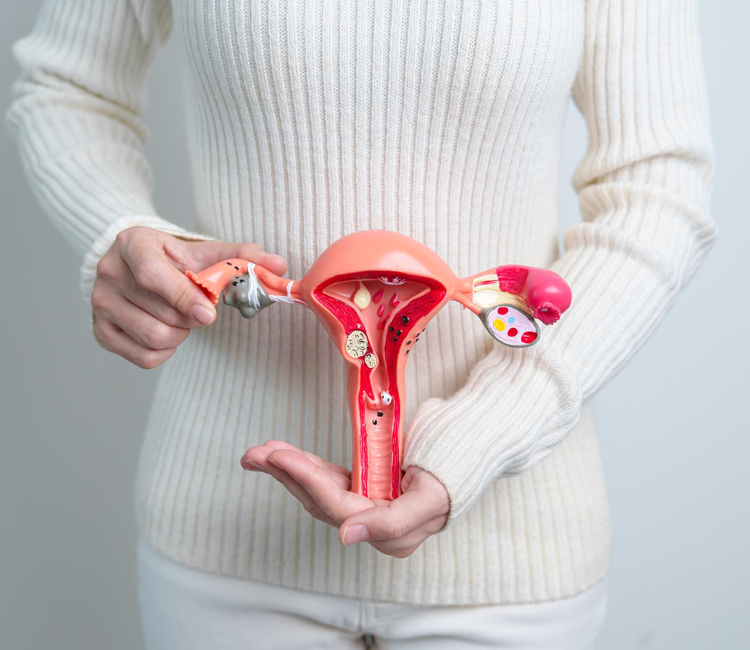
Polycystic Ovary Syndrome (PCOS) is one of the most common hormonal disorders affecting women of reproductive age. It is characterized by irregular ovulation, excess androgen (male hormone) production, and/or polycystic ovaries. PCOS can affect menstruation, fertility, metabolism, and long-term health.
PCOS affects approximately 8–13% of women of reproductive age, although many remain undiagnosed. It is one of the leading causes of anovulatory infertility.
The exact cause is unknown, but several factors contribute:
Women with a family history of PCOS are at increased risk.
Many women with PCOS have insulin resistance, where the body’s cells do not respond effectively to insulin.
This leads to:
Women with PCOS often have:
Chronic low-grade inflammation may contribute to increased androgen production and insulin resistance.
Symptoms include:
PCOS can interfere with regular ovulation.
Without regular ovulation:
Many women with PCOS can conceive successfully with lifestyle changes and appropriate medical treatment.
Copyrights © 2026 Kovai Health Center. All Rights Reserved. Designed by  mangoe.in