Opening Hours
9 am to 7 pm Sunday 9 am to 1 pm

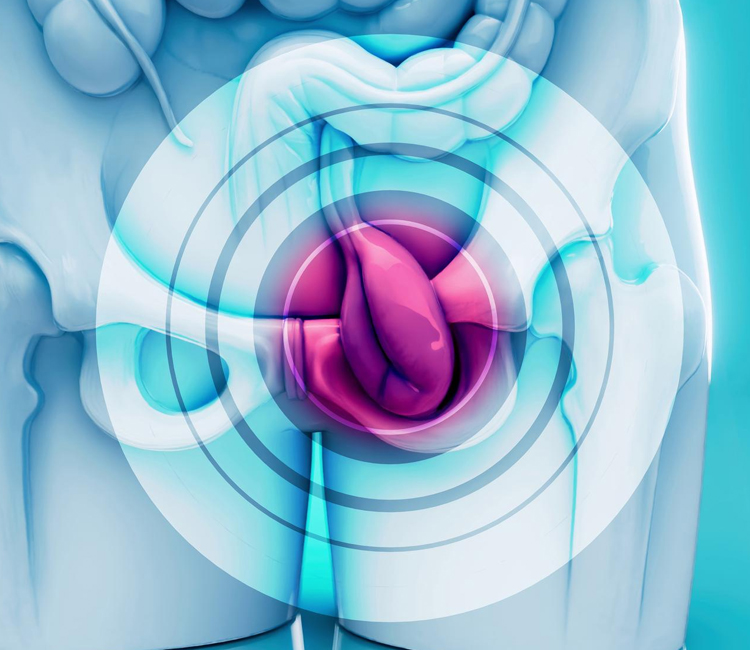
A Hydrocele is the accumulation of fluid within the tunica vaginalis, the thin sac that surrounds the testicle. This fluid buildup causes swelling of the scrotum and is generally a benign, painless condition. Hydroceles are common in newborns and can also occur in older children and adults. Although most hydroceles do not affect fertility or testicular function, a large hydrocele may cause discomfort, heaviness, or cosmetic concerns and should be evaluated by a healthcare professional.
Hydroceles are broadly classified into Congenital Hydrocele, which is present from birth due to incomplete closure of the processus vaginalis, and Acquired Hydrocele, which develops later in life as a result of trauma, infection, inflammation, or other underlying testicular conditions. A physical examination and scrotal ultrasound are commonly used to confirm the diagnosis and rule out other causes of scrotal swelling.
Hydroceles are classified according to the time of onset and the underlying cause.
A congenital hydrocele is present at birth and occurs when the processus vaginalis, a small passage between the abdomen and the scrotum, fails to close completely. This allows abdominal fluid to pass into the scrotum, resulting in swelling. It is commonly seen in infants and may resolve spontaneously during the first year of life.
An acquired hydrocele develops later in life and may occur due to injury, infection, inflammation, or underlying diseases affecting the testicle. In many adults, no specific cause can be identified (idiopathic hydrocele).
Common causes include:Most hydroceles are painless and develop gradually. Symptoms usually depend on the amount of fluid present within the scrotum. Larger hydroceles may cause discomfort due to their size, but severe pain is uncommon unless another condition is present.
Copyrights © 2026 Kovai Health Center. All Rights Reserved. Designed by  mangoe.in