Opening Hours
9 am to 7 pm Sunday 9 am to 1 pm

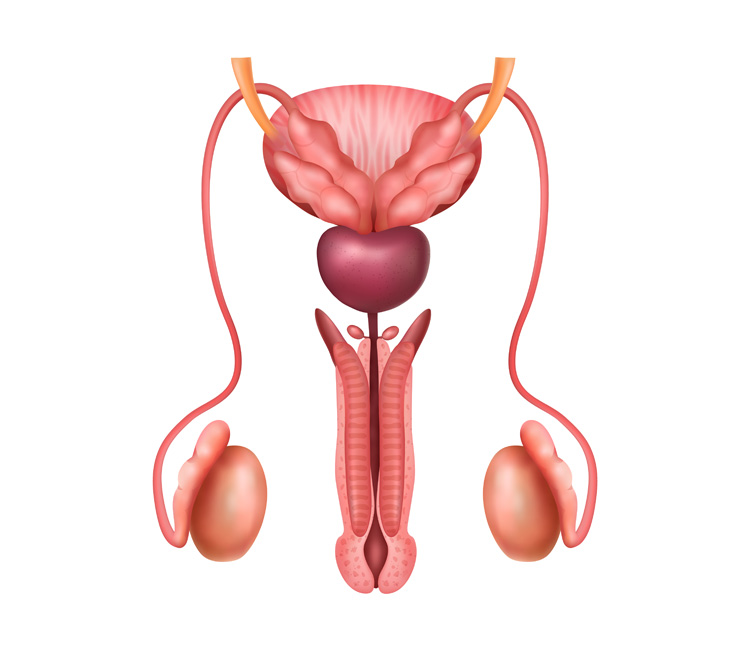
Low libido means a decrease in sexual desire, interest, or motivation for sexual activity. It is a common problem among men and can affect relationships, self-confidence, and overall quality of life.
Low libido is different from:
* Erectile dysfunction (ED): Difficulty achieving or maintaining an erection.
* Premature ejaculation: Ejaculating sooner than desired.
* Infertility: Difficulty conceiving a child.
A man can have normal erections and fertility but still have low sexual desire.
A man with low libido may experience:
* Reduced interest in sex
* Fewer sexual thoughts or fantasies
* Decreased desire to initiate intimacy
* Less interest in masturbation
* Reduced response to sexual stimulation
* Relationship problems due to lack of sexual interest
* Emotional distress, frustration, or anxiety
Testosterone is the primary male sex hormone.
Symptoms:
* Reduced sexual desire
* Erectile dysfunction
* Fatigue
* Loss of muscle mass
* Weight gain
* Mood changes
* Decreased beard growth in some men
Causes:
* Aging
* Obesity
* Diabetes
* Pituitary disorders
* Testicular diseases
* Certain medications
Increased prolactin can suppress testosterone production.
Symptoms:
* Low libido
* Erectile dysfunction
* Infertility
* Low sperm count
Both hypothyroidism and hyperthyroidism can affect sexual desire.
Symptoms:
* Fatigue
* Weight changes
* Mood disturbances
* Reduced libido
Work pressure, financial issues, and family problems can reduce sexual desire.
Constant worry can interfere with sexual interest.
Depression is one of the most common causes of low libido.
Symptoms:
* Loss of interest in sex
* Sadness
* Lack of motivation
* Sleep disturbances
* Frequent arguments
* Poor communication
* Lack of emotional intimacy
* Trust issues
These can significantly reduce sexual desire.
Poor sleep decreases testosterone levels.
Excess body fat lowers testosterone and increases estrogen.
Alcohol can suppress testosterone and sexual desire.
Smoking affects blood circulation and sexual function.
Sedentary lifestyle contributes to hormonal imbalance and low energy.
Type 2 Diabetes can damage nerves and blood vessels and reduce libido.
High blood pressure may contribute to sexual problems.
Can reduce energy levels and sexual interest.
Can cause hormonal disturbances and fatigue.
May lower testosterone levels.
Certain medicines can reduce libido:
* Antidepressants
* Anti-anxiety medications
* Blood pressure medications
* Some hormonal treatments
* Certain pain medications
Copyrights © 2026 Kovai Health Center. All Rights Reserved. Designed by  mangoe.in