Opening Hours
9 am to 7 pm Sunday 9 am to 1 pm

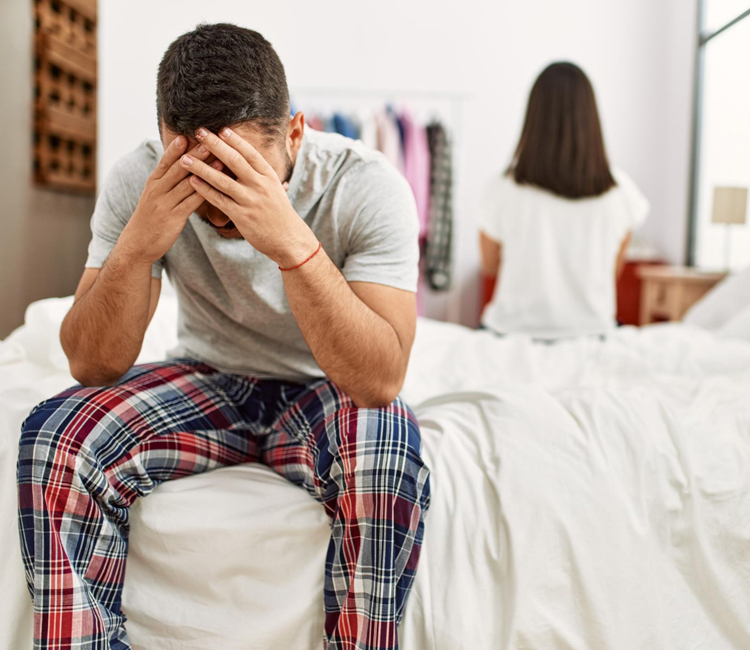
Low libido refers to a persistent decrease or absence of sexual desire, interest, or motivation for sexual activity that causes personal distress or relationship difficulties. It is one of the most common female sexual health concerns and can affect women of all ages.
It is important to understand that sexual desire naturally varies throughout life. Temporary reductions in libido due to stress, illness, pregnancy, or major life changes are common and do not necessarily indicate a medical disorder.
Female sexual desire is influenced by a complex interaction of:
Because many factors contribute, low libido often has multiple causes rather than a single underlying problem.
Women with low libido may experience:
Low estrogen levels may occur during:
Symptoms may include:
Although testosterone is considered a male hormone, women also produce small amounts.
Low levels may contribute to:
The relationship between testosterone levels and libido in women is complex, and routine testosterone testing or treatment is not appropriate for everyone.
Both hypothyroidism and hyperthyroidism may reduce libido by affecting energy levels, mood, and menstrual function.
Elevated prolactin levels may lead to:
Chronic stress from work, finances, family responsibilities, or caregiving can reduce sexual interest.
Performance anxiety or generalized anxiety may interfere with sexual desire and arousal.
Depression commonly causes:
Some antidepressant medications can also reduce libido.
Relationship issues are among the most common contributors.
Examples include:
Low libido may be associated with:
Certain medicines may reduce sexual desire, including:
Never stop prescribed medication without consulting your healthcare provider.
Reduced libido may be influenced by:
Copyrights © 2026 Kovai Health Center. All Rights Reserved. Designed by  mangoe.in